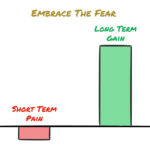

Sometimes you have to pay a premium for the life you want.
It might mean changing to a lower-paying job that allows you to spend more time with your family, accepting higher taxes to live in a place you love, or taking a mid-career sabbatical to travel or study.
These decisions may not be financially optimal, but they are “life optimal”, if they lead to greater happiness and fulfilment.
Multiple studies have shown that emotional well-being tends to plateau once a certain level of wealth is reached. Beyond that point, more money doesn’t necessarily lead to increased happiness.
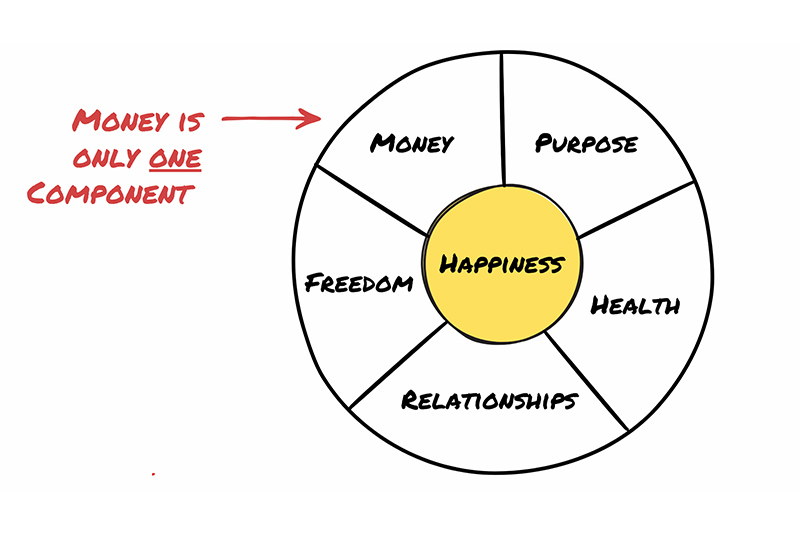
Once essential needs and comforts have been met, evidence suggests other factors such as purposeful work, relationships and personal freedom, begin to matter more.
It can feel uncomfortable—or even counterintuitive—to make choices that reduce your income or slow the growth of your wealth.
We’re often conditioned to measure career and life progression through the lens of the income we earn or the wealth we have.
There’s no question that building sufficient financial resources is essential, but focusing solely on financial outcomes can come at the expense of quality of life.
Pursuing what truly matters to you may involve accepting less money but that happiness premium is often a price worth paying.